Home › Inspirations › Planning
PlanningWhat to do after getting engaged: the first month
Just engaged? A calm first-month plan for UK couples: talk priorities and budget, estimate guest numbers, choose a date window and start venue research.
By Wedding Venue Index editorial team · 20 November 2026 · 8 min read

You are engaged, and the first question from almost everyone is whether you have set a date. You do not need to answer it yet. The first month is less about booking and more about putting a few decisions in the right order, because the early ones shape every later choice. This guide gives you a week-by-week plan: shared priorities, a rough budget, a guest-number range, a date window, and then a venue shortlist by style and capacity.
Enjoy it first, and tell people in your own order
Week one. Do nothing urgent. No venue will vanish in the next seven days, and a few quiet days together will make the decisions that follow easier.
The one task worth doing is deciding who hears the news, and in what order. Parents, children, grandparents and close friends often have strong feelings about hearing it first, or at least before a post appears online. Agree a short list together and make the calls or visits before you share anything publicly.
When people ask about the date or the venue, "we are enjoying being engaged for now" is a complete answer. Having a stock reply stops you being pushed into choices before you are ready.
Agree your top three priorities together
Week two. Before you open a single venue page, work out what matters most to each of you. This is the step couples most often skip, and it saves the most trouble.
- Each of you privately writes down three to five things you most want from the day.
- Compare your lists. Mark the overlaps and the clashes.
- Agree a short shared list and rank it.
Your priorities might be the food, the music, the people, the place, the photographs or a relaxed pace. The list matters because it becomes a filter. When a supplier or a relative suggests an extra, you can test it against what you said mattered. Many couples feel pressure from online templates, and a shared list keeps your spending on what you value.
If you go straight to viewings, you may lock in choices that one of you only went along with. Revisit the list whenever the date, guest count or budget changes.
It also helps to decide which choices are firm and which are open to discussion before you talk to family, especially if relatives are contributing money or hold strong traditions. Explain what you are planning and why it suits you, rather than apologising for it. Mixed messages from the two of you make pressure worse, so agree a united position first.
Set a rough total budget and a reserve
Still in week two, agree a total. Not a perfect spreadsheet, just a figure you are both comfortable with and a sense of where it will mostly go.
Three habits help from the start:
- Fix the total first. Divide it across categories afterwards, and use each category amount as a limit when you ask for quotes.
- Keep a reserve. Many guides suggest roughly 5% to 10% of the total, to absorb surprises such as an added supplier charge or extra transport. Do not spend it on optional extras, or it stops doing its job.
- Record every change. Log each revised price as it arrives, and review the whole budget monthly.
Be careful with early quotes. They often leave out VAT, service charges, travel or set-up costs, so ask what the price includes. Catering is usually the largest single spend, which is why guest numbers matter so much, as the next section explains.
If you are receiving money from family, ask early whether it comes with expectations, and say clearly what you plan to do with it.
Draft a guest list as a range, not a number
Week three. You do not need a final list. You need a range that is wide enough to be honest, such as 60 to 80, or 100 to 120.
Think in a range, not a single number. Each of you writes down everyone you would want there without any argument. Then make a second tier of people you would like to invite if there is room. Your range runs from the first tier alone to both tiers together. Add parents' lists last, once you know what you are working with.
Guest numbers drive the venue shortlist, the catering bill and the feel of the day. A smaller list does not save as much as it seems, though. Photography, outfits, the ceremony and venue hire stay largely fixed, so the saving comes mainly from food and drink. One rough UK guide puts food and drink at around £100 per guest for a budget wedding, but treat that as a prompt to ask for real quotes rather than a number to plan around.
If your range sits at the lower end, our guide to planning a wedding for 50 guests or fewer may shape your thinking.

Think in a range, not a single number.
Pick a date window, not a single date
Also in week three, decide when you would like to marry, but loosely. A window of a few months, or a choice of season, gives you far more options than one Saturday. It lets you compare venues on what they offer rather than on a single free day.
Ask yourselves a few practical questions:
- Are there dates that matter to family, or times you cannot do, such as busy work periods or other weddings in your circle?
- Do you want long evening light, or are you happy with a cosier, earlier finish?
- Do you need time to save, or does a long engagement suit you?
When you ask venues about availability, also ask whether prices change by season or day of the week. It is a simple question, and the answers differ from venue to venue.
Legal notice is not a first-month task, but it is worth knowing about. In England and Wales you must give notice of marriage at least 28 full days before the ceremony, and our guide to giving notice of marriage sets out the dates that matter. Scotland has its own timetable, so speak to the registrar for the district where you will marry. If either of you plans to marry abroad, paperwork can take months, so start that conversation early.
Understand venue styles and how capacity narrows the field
Week four. Now you have priorities, a budget, a guest range and a date window. That is enough to start looking properly, and the first filter is style.
Wedding Venue Index lists more than 3,700 venues across the UK. Three of the larger styles show how different the starting points can be:
- Hotel. More than 900 venues. Hotels often combine ceremony, meal and rooms under one roof, which makes the day simpler for guests. Greater London has the most, and you can start with hotel venues in Greater London.
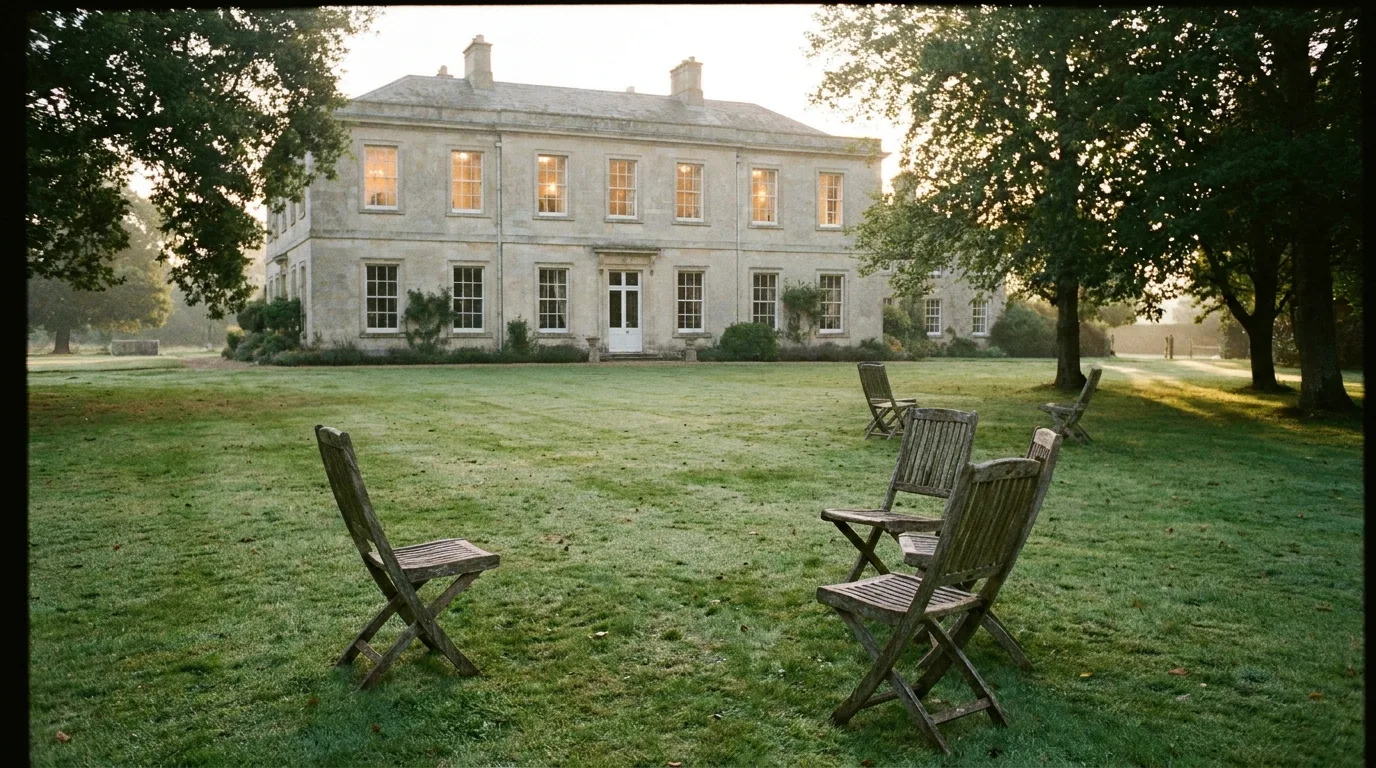
- Country House & Manor. More than 750 venues. These suit couples who want grounds, historic rooms and often overnight stays. Devon has one of the largest groups, with Country House & Manor venues in Devon.
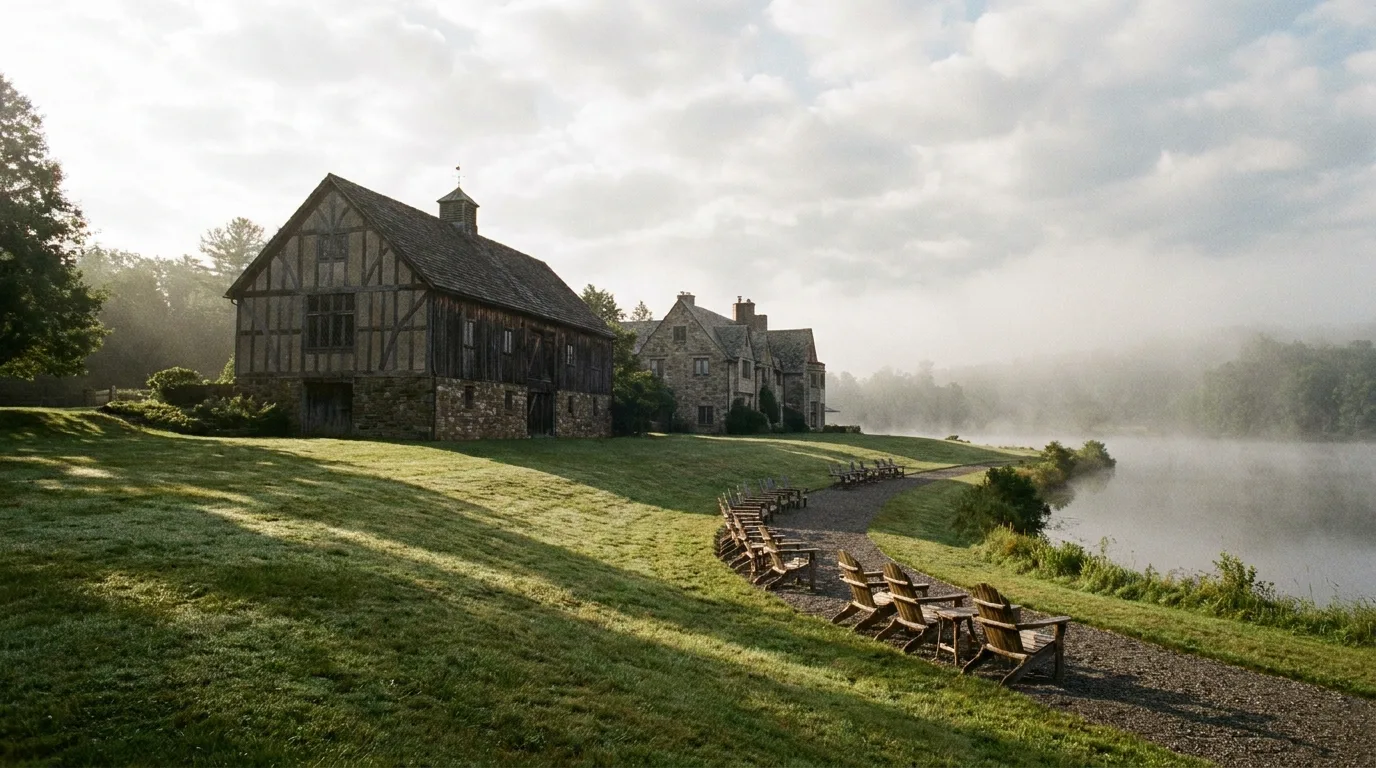
- Barn & Farm. More than 450 venues. These tend to offer flexible spaces and a relaxed feel. Norfolk is one of the strongest counties, and you can look at Barn & Farm venues in Norfolk.
Capacity then narrows the field. Check the maximum for the ceremony, the seated meal and the evening, because the three figures are often different. A venue that seats 80 for dinner may welcome more in the evening, or the reverse. Match your guest range to the numbers the venue gives you, and avoid venues that only work at the very top or bottom of your range.
It also helps to know whether you will have the place to yourselves. Our guide to exclusive-use wedding venues explains what that means and what it can change.
Start a shortlist and book viewings
Aim for a shortlist of five or six venues, and from it book two or three viewings. Choose different styles on purpose. Seeing a hotel, a barn and a country house in the same fortnight teaches you more about your own taste than weeks of scrolling.
Take your priorities list with you. After each visit, write down your impressions before you compare notes, so each of you forms a view of your own.

Questions worth asking at every first viewing:
- Is our date window available, and is the price different by season or day?
- What is the capacity for the ceremony, the meal and the evening?
- What is included in the hire price, and what is extra?
- Do prices quoted include VAT and service charges?
- What are the rules on music, timings and suppliers?
- What is the plan if the weather turns?
For a longer list, see 15 questions to ask a wedding venue before you book. Do not feel pressed to put down a deposit on the day. A good venue will give you time to think, and you may want to read the contract at home.
A first-month checklist to save or print
- Week 1: Enjoy it. Agree who hears the news first and tell them before you post anywhere.
- Week 2: Each write three to five priorities, then agree a shared ranked list. Set a rough total budget and a reserve of around 5% to 10%.
- Week 3: Draft a guest list as a range, with a first and second tier. Choose a date window of a few months, or a season.
- Week 4: Pick the venue styles that fit your priorities and range. Build a shortlist of five or six and book two or three viewings of different styles.
- Throughout: Keep notes in one place and log every price change. Agree with each other what you will tell family before you tell them.
Start your search
When you are ready, search wedding venues by county and style, and save the ones that suit your guest range. Your free wedding planner holds your checklist, budget and guest list in one place, and the Wedding Fairy inside it is there to help with your planning. Take it one step at a time. A calm first month makes the rest of the planning much easier.